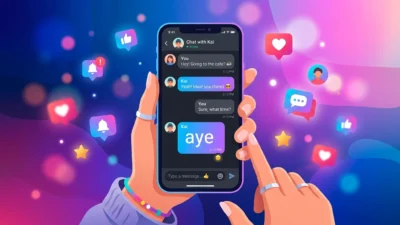

Have you ever been texting someone and suddenly received a short message like “aye” and paused for a second, wondering what it actually means? At first glance, it might look like a typo or just a random sound. Many people—especially teens and social media users—see “aye” in WhatsApp chats, Instagram comments, Snapchat messages, or gaming conversations and feel confused about its real meaning.
The truth is, “aye” is one of those simple but flexible slang words that can carry different emotions depending on the situation. It can feel friendly, casual, or even expressive, and that’s why it shows up so often in online conversations today.
Quick Answer: “Aye” in text means yes, agreement, or a casual way of expressing attention or excitement depending on context.
Meaning of AYE in Text Explained
In texting slang, “aye” is an informal word that is mainly used to show agreement, confirmation, or response. It is similar to saying “yeah,” “yes,” or “I agree,” but in a more relaxed and casual tone.
There is no strict full form of “aye” in modern texting. It originally comes from older English usage where “aye” meant “yes,” especially in British and nautical language. Over time, it became popular in online chat culture, music, and social media.
Why People Use “Aye” in Text
People use “aye” because:
- It feels short and quick to type
- It sounds casual and friendly
- It adds personality to a message
- It fits modern texting and internet slang culture
Example Sentence:
- “aye, that sounds good to me.”
Bold Summary: “Aye” is a casual texting slang word used to show agreement, yes, or friendly acknowledgment in online conversations.
Where AYE Is Commonly Used in Online Chat
The word “aye” is widely used across many digital platforms where informal communication happens. It is not formal language, so you will rarely see it in professional or academic settings.
Common Platforms:
- WhatsApp chats
- Instagram comments and DMs
- Snapchat messages
- TikTok comments
- Online gaming chats (like PUBG, Free Fire, Fortnite)
- Discord servers and forums
Tone of the Word:
The tone of “aye” is usually:
- Casual
- Friendly
- Relaxed
- Sometimes excited or supportive
It depends on how it is used. In gaming, it can sound energetic. In chats, it often means simple agreement.
Real Conversation Examples of AYE in Text
Here are some natural, everyday texting examples to help you understand how people actually use “aye” online:
- friend 1: you coming to the match tonight?
friend 2: aye, i’ll be there - bro we should order pizza
aye, i’m down - you ready for the exam tomorrow?
aye, as ready as i can be - let’s play another game
aye, one more round - did you finish the assignment?
aye, just submitted it - movie at 9 pm?
aye sounds perfect - he’s joining the team too
aye nice, that’s good news - you saw that new video?
aye it was crazy - wanna go outside?
aye let’s go - meeting started already
aye i’m joining now
These examples show how flexible and easy “aye” is in everyday texting culture.
When to Use and When Not to Use AYE
Like most slang, “aye” is not suitable for every situation. Knowing when to use it helps you sound natural and appropriate.
When to Use “Aye”:
- Talking with friends online
- Casual chats and group messages
- Gaming communication
- Social media comments
- Informal agreement or response
When NOT to Use “Aye”:
- Professional emails
- School assignments or essays
- Formal messages to teachers or bosses
- Official documents or applications
- Serious or sensitive conversations
Quick Comparison Table:
| Context | Example Phrase | Why It Works or Not |
|---|---|---|
| Casual chat | “aye, i’m coming” | Natural and friendly |
| Gaming chat | “aye, let’s push now” | Fast and energetic response |
| School email | “aye i will submit work” | Too informal for academic use |
| Job message | “aye got it sir” | Not professional enough |
Similar Slang Words and Alternatives to AYE
If you see “aye” in texts, you might also come across similar slang words. These alternatives help express the same idea in different tones.
1. Yeah
A very common way to say yes. It is simple, neutral, and widely used in all types of chats.
2. Yup / Yup
A more casual and friendly version of yes. Often used in quick replies.
3. Yep
Similar to “yup,” but slightly softer in tone.
4. Ok / Okay
Used for agreement or acknowledgment. It can sound neutral depending on context.
5. Bet
A modern slang word meaning agreement or “I’m in.” Very popular in Gen Z texting culture.
6. Sure
Polite and neutral way to agree, often used in semi-formal chats.
7. Alright / aight
A relaxed way of saying yes or okay, commonly used in casual conversations.
Each of these words, like “aye,” helps make texting faster and more expressive.
FAQs About AYE Meaning in Text
1. What does “aye” mean in texting?
“Aye” means yes, agreement, or acknowledgment in casual online conversations.
2. Is “aye” formal or informal?
It is completely informal and used mainly in friendly chats or social media.
3. Is “aye” used in social media posts?
Yes, people often use it in comments, captions, and replies on platforms like Instagram and TikTok.
4. Is “aye” the same as “yes”?
Yes, but “aye” is more casual and expressive compared to a simple “yes.”
5. Who uses the word “aye” the most?
Teenagers, gamers, and social media users commonly use it in digital communication.
6. Can “aye” mean something else?
Sometimes it can express excitement or attention, depending on the context, especially in gaming chats.
7. Is it okay to use “aye” in school or work messages?
No, it is better to use “yes” or “okay” in formal or professional communication.
Final Thought
In modern texting culture, short words like “aye” make conversations faster, easier, and more expressive. Whether you are chatting with friends, replying in a game, or commenting on social media, this slang helps you sound natural and relaxed. It simply means agreement or a casual “yes,” but its tone depends on how and where you use it.
Understanding terms like AYE Meaning in Text helps you stay updated with online slang and improves your digital communication skills. As internet language keeps evolving, small words like this play a big role in shaping how we connect with others on.