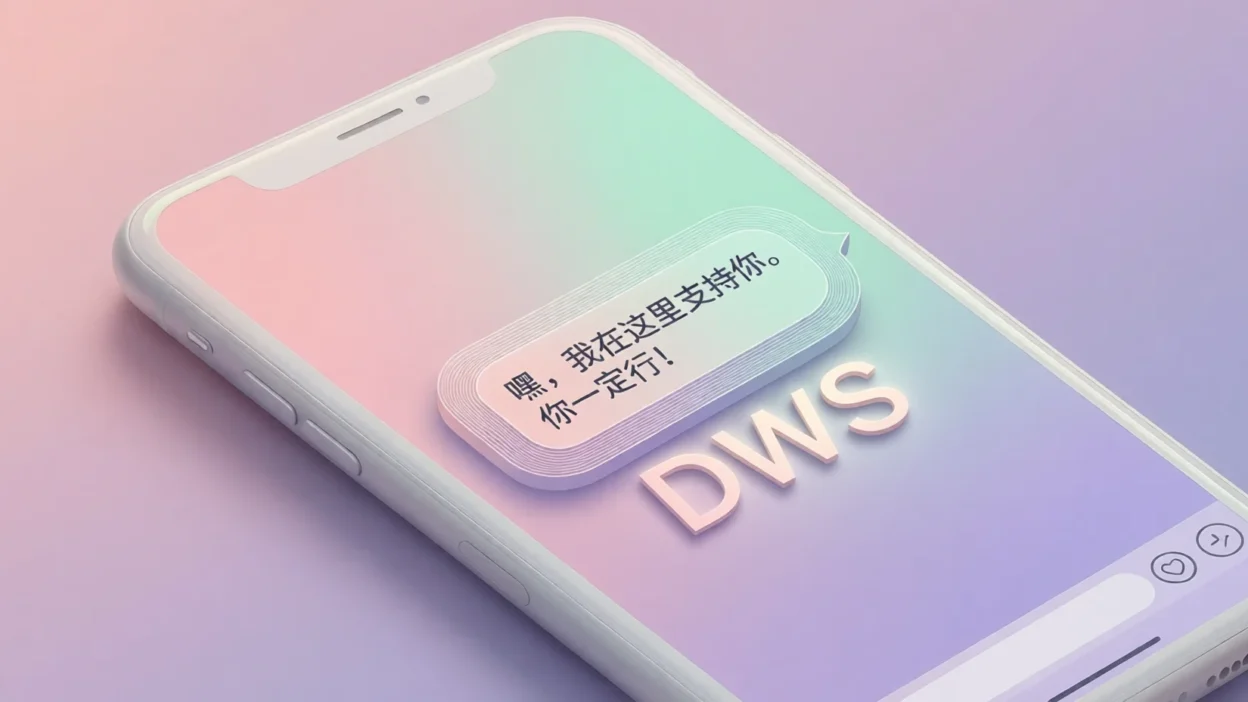
You’re chatting online when someone suddenly replies with “dws.” No context. No emoji. Just three letters. Now you’re left wondering—are they annoyed, serious, or just busy? You’re not alone.
DWS is one of those abbreviations that isn’t as mainstream as LOL or BRB, so it can feel confusing at first. But once you understand its meaning, it actually comes across as polite and reassuring.
Let’s break down what DWS means in text, how people use it, and when it fits naturally in conversations.
Quick Answer:
DWS means “Don’t Worry Sweetie” or “Don’t Worry, Son.” It’s a reassuring and caring way to comfort someone.
🧠 What Does DWS Mean in Text?
In texting, DWS is commonly used to mean “Don’t Worry Sweetie.” Sometimes, depending on context, it can also mean “Don’t Worry, Son.” Both versions carry the same intent—comforting and reassuring someone.
It’s usually used when someone is stressed, apologizing, or overthinking something.
Example sentence:
“it’s fine, dws 😊”
In short: DWS = Don’t worry = reassurance and comfort.
📱 Where Is DWS Commonly Used?
DWS appears mostly in personal, caring conversations.
Common platforms include:
- 📱 Text messages / SMS
- 💬 WhatsApp & Messenger
- 📸 Instagram DMs
- 💻 Casual online chats
- 👥 Family or close-friend conversations
Tone & Style
- 🤍 Caring
- 😊 Reassuring
- ❌ Not formal
- 💬 Friendly and supportive
💬 Examples of DWS in Conversation
Here are natural examples showing how DWS is used in real chats:
Example 1
A: “sorry i’m late”
B: “dws, all good 😊”
Example 2
A: “i messed up the order”
B: “dws, we’ll fix it”
Example 3
A: “i feel bad about yesterday”
B: “dws ❤️”
Example 4
A: “hope you’re not mad”
B: “nah dws”
Example 5
A: “what if it goes wrong?”
B: “dws, trust me”
Example 6
A: “i’m nervous about tomorrow”
B: “dws, you got this 💪”
🕓 When to Use and When Not to Use DWS
✅ When to Use DWS
- Comforting someone
- Casual chats with friends or family
- Reassuring after a mistake
- Supportive conversations
❌ When Not to Use DWS
- Professional or work-related chats
- Formal emails or documents
- Serious conflicts
- Talking to someone you don’t know well
📊 Context Comparison Table
| Context | Example Phrase | Why It Works |
|---|---|---|
| Friend Chat | “dws, it’s okay” | Warm & supportive |
| Family Chat | “dws, take your time” | Caring tone |
| Work Chat | “No problem, we’ll resolve this.” | Professional |
| “Please don’t be concerned.” | Formal & clear |
🔄 Similar Slang Words or Alternatives
| Term | Meaning | When to Use |
|---|---|---|
| DWS | Don’t worry | Comforting texts |
| DW | Don’t worry | Casual reassurance |
| NP | No problem | Friendly replies |
| It’s ok | Reassurance | Universal |
| All good | Everything’s fine | Casual chats |
| Relax | Calm down | Informal support |
❓ FAQs About DWS Meaning
Is DWS common slang?
It’s moderately common, mostly in close conversations.
Is DWS polite?
Yes, it’s meant to be reassuring and kind.
Can DWS sound condescending?
It can, if used with strangers or in serious situations.
Is DWS formal?
No, it’s very informal.
Does DWS always mean “sweetie”?
Not always—it depends on context, but the intent is reassurance.
🔚 Final Thoughts
DWS is a comforting abbreviation meaning “Don’t Worry.” It’s warm, reassuring, and best used with people you’re close to.
If someone texts DWS, they’re trying to calm you down—not dismiss you 🤍