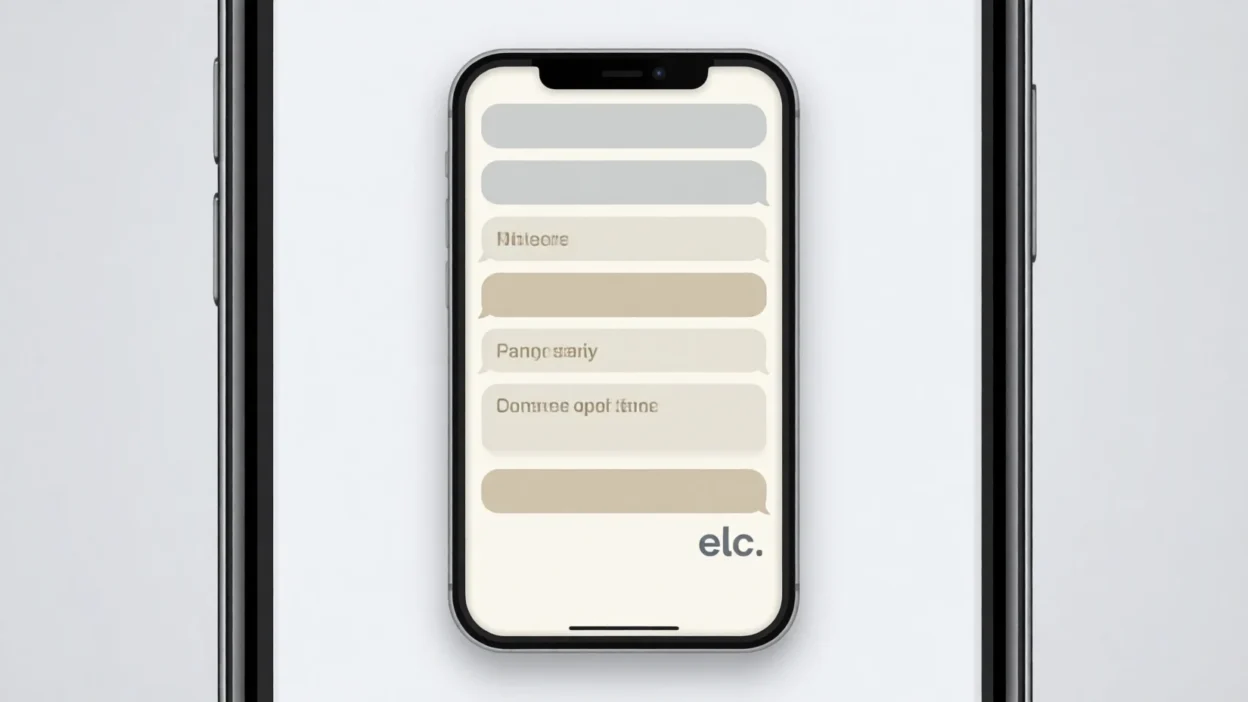
You’re reading a text, caption, or comment when you see a sentence ending with “etc.” Maybe it says, “bring snacks, drinks, chips, etc.” You understand it kind of, but you pause—what exactly does ETC stand for, and is it okay to use in texts?
This abbreviation shows up everywhere: messages, social media, emails, even schoolwork. Because it feels casual, many people use it without thinking twice. But ETC actually has a clear meaning and specific tone. In this guide, we’ll explain what ETC means in text, how to use it correctly, and when you should avoid it.
Quick Answer:
ETC means “et cetera.” It’s a casual and convenient way of saying “and other similar things.”
🧠 What Does ETC Mean in Text?
ETC is short for the Latin phrase “et cetera,” which means “and the rest” or “and so on.” In texting, it’s used to avoid listing every single item when the meaning is already clear.
People use ETC to save time and keep messages short, especially when the remaining items are obvious or unimportant.
Example sentence:
“we need notebooks, pens, folders, etc.”
In short: ETC = Et cetera = and other similar things.
📱 Where Is ETC Commonly Used?
ETC is widely accepted and understood across many platforms.
You’ll commonly see it on:
- 💬 Text messages
- 📱 WhatsApp, Messenger, Snapchat
- 📸 Social media captions
- 📧 Emails (casual or semi-formal)
- 📚 School or study notes
Tone & Style
- ✅ Casual to semi-formal
- ✅ Neutral and clear
- ❌ Too vague for very formal writing
ETC works well when details aren’t necessary—but not when precision matters.
💬 Examples of ETC in Conversation
Here are natural, everyday examples of ETC in use:
Example 1
A: “what should i bring?”
B: “snacks, drinks, plates, etc.”
Example 2
A: “what do you usually watch?”
B: “movies, series, documentaries, etc.”
Example 3
A: “what apps do you use?”
B: “instagram, tiktok, twitter, etc.”
Example 4
A: “why are you busy?”
B: “work, meetings, emails, etc.”
Example 5
A: “what should we buy?”
B: “milk, bread, eggs, etc.”
🕓 When to Use and When Not to Use ETC
✅ When to Use ETC
- Casual texting
- Lists where remaining items are obvious
- Informal or semi-formal writing
- Social media posts
❌ When Not to Use ETC
- Legal or technical documents
- Formal academic writing
- Instructions needing clarity
- When specifics matter
📊 Context Comparison Table
| Context | Example Phrase | Why It Works |
|---|---|---|
| Friend Chat | “bring food, drinks, etc.” | Casual & clear |
| Social Media | “movies, music, etc.” | Short & relatable |
| Work Email | “files and reports” | More precise |
| Legal Doc | “and other items” | Avoids vagueness |
🔄 Similar Words or Alternatives to ETC
| Term | Meaning | When to Use |
|---|---|---|
| ETC | And so on | Casual lists |
| And more | Additional items | Friendly tone |
| And others | Remaining people/things | Semi-formal |
| And the rest | Everything else | Informal |
| Including | Specific examples | Professional tone |
| Such as | Clarifying examples | Formal writing |
Choosing the right alternative depends on how clear you need to be.
❓ FAQs About ETC Meaning
Is ETC informal?
It’s mostly casual but acceptable in semi-formal writing.
Should ETC be capitalized?
Both “etc.” and “ETC” are acceptable; lowercase is more common.
Can ETC be used in emails?
Yes, but avoid it in very formal emails.
Is ETC slang?
No. It’s an abbreviation, not slang.
Does ETC mean everything else?
It means other similar things, not necessarily everything.
🔚 Final Thoughts
ETC is a simple, time-saving way to keep messages short and clear when details aren’t necessary.
Used correctly, it makes communication smoother—but overusing it can make writing vague. Balance is key 💬