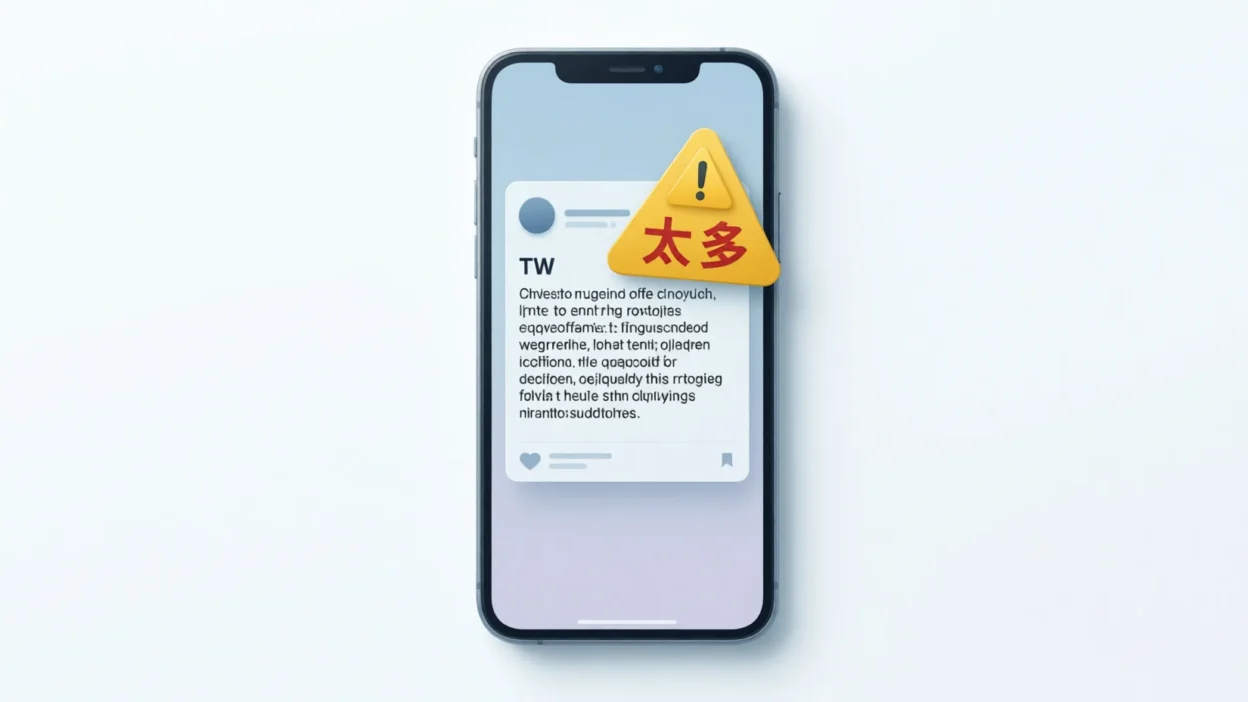
You’re scrolling through a post, tweet, or message when you suddenly see “TW:” at the beginning. It immediately makes you pause. Is it a warning? A hashtag? Or some new slang you missed?
You’re not alone—TW is one of those abbreviations that shows up often online but isn’t always explained. It’s especially common on social media, where people want to be thoughtful about sensitive topics.
Once you know what TW means, it becomes a helpful signal rather than a confusing one. Let’s break down what TW means in text and how it’s actually used.
Quick Answer:
TW means “Trigger Warning.” It’s a considerate and cautionary way of alerting others about sensitive content.
🧠 What Does TW Mean in Text?
In texting and online posts, TW stands for Trigger Warning. It’s used to warn readers that the message may include sensitive or potentially upsetting content, such as discussions of violence, mental health, trauma, or abuse.
People add TW so others can choose whether to continue reading.
Example sentence:
“tw: mental health discussion ahead”
In short: TW = Trigger Warning = heads-up for sensitive content.
📱 Where Is TW Commonly Used?
TW is widely used on social platforms and digital communities where content can be emotional or intense.
Common places you’ll see TW:
- 🐦 Twitter / X
- 📸 Instagram captions
- 🎵 TikTok videos
- 💬 Reddit & forums
- 📝 Blog posts & long texts
Tone & Style
- ⚠️ Cautionary
- 🤍 Considerate
- 📱 Social-media friendly
- ❌ Not slang for jokes or flirting
💬 Examples of TW in Conversation
Here are realistic examples showing how TW is used naturally:
Example 1
A: “new post up”
B: “tw: eating disorders”
Example 2
A: “this story gets heavy”
B: “yeah, tw for violence”
Example 3
A: “posting my experience”
B: “tw: anxiety & panic attacks”
Example 4
A: “watch my video before bed?”
B: “just so you know—tw”
Example 5
A: “thread incoming”
B: “tw: trauma mentioned”
Example 6
A: “sharing something personal”
B: “tw included for safety”
🕓 When to Use and When Not to Use TW
✅ When to Use TW
- Discussing sensitive topics
- Posting personal or emotional stories
- Sharing graphic or heavy content
- Being considerate of audiences
❌ When Not to Use TW
- Casual or light conversations
- Professional emails
- Non-sensitive topics
- Overusing it unnecessarily
📊 Context Comparison Table
| Context | Example Phrase | Why It Works |
|---|---|---|
| Social Media | “tw: violence mentioned” | Warns viewers clearly |
| Friend Chat | “tw before I vent” | Thoughtful & casual |
| Work Chat | “This topic may be sensitive.” | Professional tone |
| “Please note sensitive content below.” | Formal & clear |
🔄 Similar Slang Words or Alternatives
| Term | Meaning | When to Use |
|---|---|---|
| TW | Trigger Warning | Sensitive content |
| CW | Content Warning | Similar to TW |
| PSA | Public Service Announcement | Important info |
| FYI | For Your Information | Neutral updates |
| Heads-up | Advance warning | Casual alerts |
❓ FAQs About TW Meaning
Is TW the same as CW?
Yes—both warn about sensitive content, though CW is slightly broader.
Is TW only for mental health topics?
No, it can apply to violence, abuse, or any distressing subject.
Is TW required?
Not required, but it’s considerate and widely appreciated.
Can TW be used in texting?
Yes, especially in personal or emotional conversations.
Is TW formal?
No—it’s informal and mostly used online.
🔚 Final Thoughts
TW stands for Trigger Warning, a respectful way to alert others about sensitive content before they engage with it.
If you see TW, it’s someone being thoughtful—not dramatic ⚠️🤍