
What Easter Really Means and Why It Matters Today
Introduction
Have you ever been scrolling through social media, watching a holiday post, or chatting with friends online when someone mentioned Easter? Maybe you saw colorful egg photos, family celebrations, or inspirational messages and wondered what the holiday is really about. Many people know Easter as a time for chocolate eggs, Easter baskets, and fun activities, but there is much more behind it.
If you’re curious about the meaning of Easter, you’re not alone. People around the world celebrate Easter every year, yet many still wonder about its true purpose and significance. In this guide, we’ll explain everything in simple words so you can understand why Easter remains one of the most important holidays for millions of people.
Quick Answer: The meaning of Easter is the celebration of the resurrection of Jesus Christ from the dead, symbolizing hope, renewal, and new life.
What Is the Meaning of Easter?
The meaning of Easter centers on a key event in Christianity: the belief that Jesus Christ rose from the dead three days after his crucifixion.
According to Christian teachings, Jesus was crucified on Good Friday and buried in a tomb. On the third day, which is celebrated as Easter Sunday, his followers discovered that the tomb was empty and believed that he had been resurrected.
For Christians, this event represents:
- Victory over death
- Hope and salvation
- New beginnings
- Forgiveness
- Eternal life
Unlike many internet terms or texting abbreviations, Easter is not a slang word or chat shorthand. Instead, it is a religious holiday with deep historical and spiritual significance.
Example Sentence
“Many families attend church on Easter to celebrate the resurrection of Jesus Christ.”
Summary: The meaning of Easter is the celebration of Jesus Christ’s resurrection, symbolizing hope, faith, and new life.
Why Do People Celebrate Easter?
People celebrate Easter for different reasons depending on their beliefs, traditions, and culture.
For Christians, Easter is the most important holiday of the year because it marks the foundation of their faith.
Others may celebrate Easter as:
- A family gathering
- A cultural tradition
- A springtime festival
- A holiday focused on renewal and joy
The holiday often brings families together for meals, community events, and special activities.
Key Themes of Easter
Hope
Easter reminds people that difficult times can be overcome and better days can come.
Renewal
The holiday often takes place during spring, a season associated with growth and fresh starts.
Faith
For Christians, Easter strengthens their belief in God’s promises.
Love and Sacrifice
The story of Easter emphasizes selflessness, compassion, and forgiveness.
Common Easter Symbols and Their Meanings
Many Easter traditions include symbols that carry special meanings.
Easter Eggs
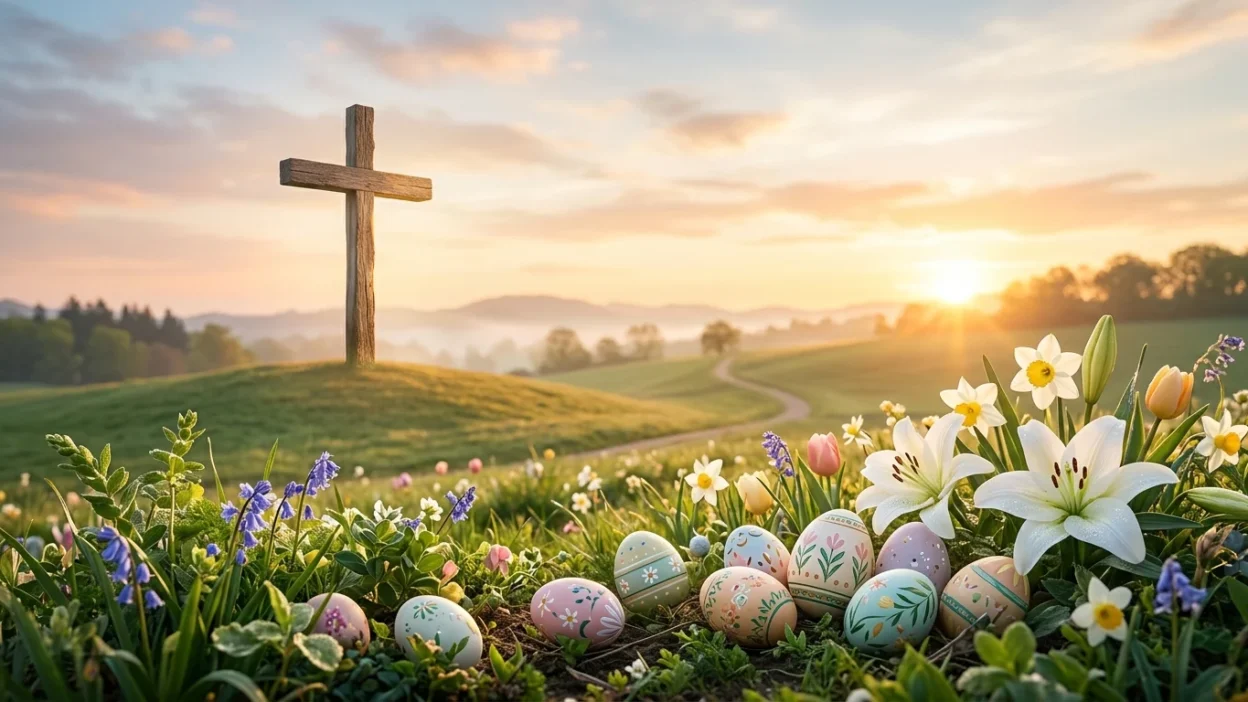
Eggs are often seen as symbols of new life and rebirth.
Easter Bunny
The Easter Bunny is linked to fertility, growth, and springtime traditions.
Lilies
White Easter lilies often represent purity, hope, and resurrection.
Sunrise Services
Many churches hold sunrise services because the resurrection story is connected with the dawn of Easter morning.
Crosses
The cross reminds Christians of Jesus’ sacrifice and resurrection.
Where Is Easter Commonly Discussed Online?
Today, the meaning of Easter is frequently discussed across digital platforms.
You may see conversations about Easter on:
- Facebook posts
- Instagram stories
- TikTok videos
- YouTube comments
- Reddit discussions
- Family group chats
- Online forums
- Church websites
- Community pages
Tone of Easter Discussions
Depending on the situation, Easter conversations can be:
| Platform | Typical Tone |
|---|---|
| Family chats | Casual |
| Social media posts | Casual to neutral |
| Church communities | Formal to respectful |
| Educational content | Neutral |
| News articles | Formal |
Because Easter is both a religious and cultural holiday, people often discuss it in respectful and positive ways.
Realistic Conversation Examples
Here are some natural examples of how people might talk about Easter online.
Example 1
friend 1: happy easter!
friend 2: thanks, hope you have a great day too
Example 2
user: what’s the meaning of easter?
friend: it’s about the resurrection of jesus and celebrating new life
Example 3
person 1: are you doing anything for easter?
person 2: yeah, we’re having a family dinner
Example 4
friend: did you go to church today?
friend: yes, it was our easter service
Example 5
user: i love all the easter decorations
friend: same, they make everything feel cheerful
Example 6
friend: why are easter eggs so popular?
friend: they symbolize new life
Example 7
person 1: happy easter weekend!
person 2: thank you, enjoy your holiday
Example 8
friend: what does easter mean to you?
friend: hope, faith, and family
Example 9
user: the kids are excited for the easter egg hunt
friend: that’s always their favorite part
When to Use and When Not to Use Easter References
Use Easter References When:
✅ Discussing religious holidays
✅ Talking about Christian traditions
✅ Sharing holiday greetings
✅ Explaining cultural celebrations
✅ Posting seasonal content
✅ Discussing faith and spirituality
Avoid Easter References When:
❌ Making unrelated jokes in serious religious discussions
❌ Assuming everyone celebrates Easter
❌ Using it to criticize others’ beliefs
❌ Ignoring cultural differences
❌ Sharing inaccurate information about the holiday
Quick Context Table
| Context | Example Phrase | Why It Works |
|---|---|---|
| Holiday greeting | “happy easter!” | Appropriate seasonal greeting |
| Religious discussion | “easter celebrates jesus’ resurrection” | Accurate explanation |
| Family gathering | “we’re celebrating easter together” | Common usage |
| Random business meeting | “happy easter everyone” | May not fit if audience is diverse |
| Serious non-holiday topic | “this reminds me of easter eggs” | Can feel unrelated |
Similar Religious and Holiday Terms
While no holiday has exactly the same meaning as Easter, some related celebrations are often discussed alongside it.
| Term | Meaning | When Used |
|---|---|---|
| Good Friday | Commemorates Jesus’ crucifixion | Before Easter Sunday |
| Palm Sunday | Marks Jesus’ arrival in Jerusalem | Start of Holy Week |
| Holy Week | Week leading up to Easter | Religious discussions |
| Christmas | Celebrates Jesus’ birth | Winter holiday season |
| Lent | Period of preparation before Easter | Christian observance |
| Resurrection | Rising from the dead | Easter teachings |
| Passover | Important Jewish holiday | Historical and religious discussions |
These terms frequently appear when people explain the meaning of Easter in greater detail.
Why Easter Still Matters Today
Even in a world filled with social media trends, online chat culture, and digital communication, Easter continues to hold importance for millions of people.
Its message remains relevant because it focuses on universal themes:
- Hope during difficult times
- New beginnings
- Personal growth
- Faith
- Community
- Love and forgiveness
Many people connect with these ideas whether they celebrate Easter for religious reasons or simply as a family tradition.
Frequently Asked Questions (FAQ)
What is the meaning of Easter in simple words?
Easter is the celebration of Jesus Christ rising from the dead, representing hope, faith, and new life.
Is Easter a religious holiday?
Yes. Easter is one of the most important holidays in Christianity.
Why are eggs associated with Easter?
Eggs symbolize new life and rebirth, which connect to Easter’s themes of renewal and resurrection.
Is Easter celebrated only by Christians?
While Easter is a Christian holiday, many non-Christians participate in cultural traditions such as family meals and Easter egg hunts.
What does the Easter Bunny mean?
The Easter Bunny is a popular cultural symbol associated with spring, growth, and fertility.
Is Easter celebrated worldwide?
Yes. Easter is observed in many countries across the world, though traditions vary by region and culture.
Why does Easter happen on different dates each year?
The date of Easter is calculated using a traditional calendar formula based on the spring equinox and the full moon.
Final Thought
Understanding the meaning of Easter helps us appreciate why this holiday remains so important across generations. At its heart, Easter celebrates the resurrection of Jesus Christ and carries powerful messages of hope, renewal, forgiveness, and new life.
Whether you observe Easter through religious worship, family traditions, community events, or simple holiday greetings, its themes continue to inspire people around the world. In today’s fast-moving digital age, Easter serves as a reminder that faith, hope, and fresh beginnings still matter.