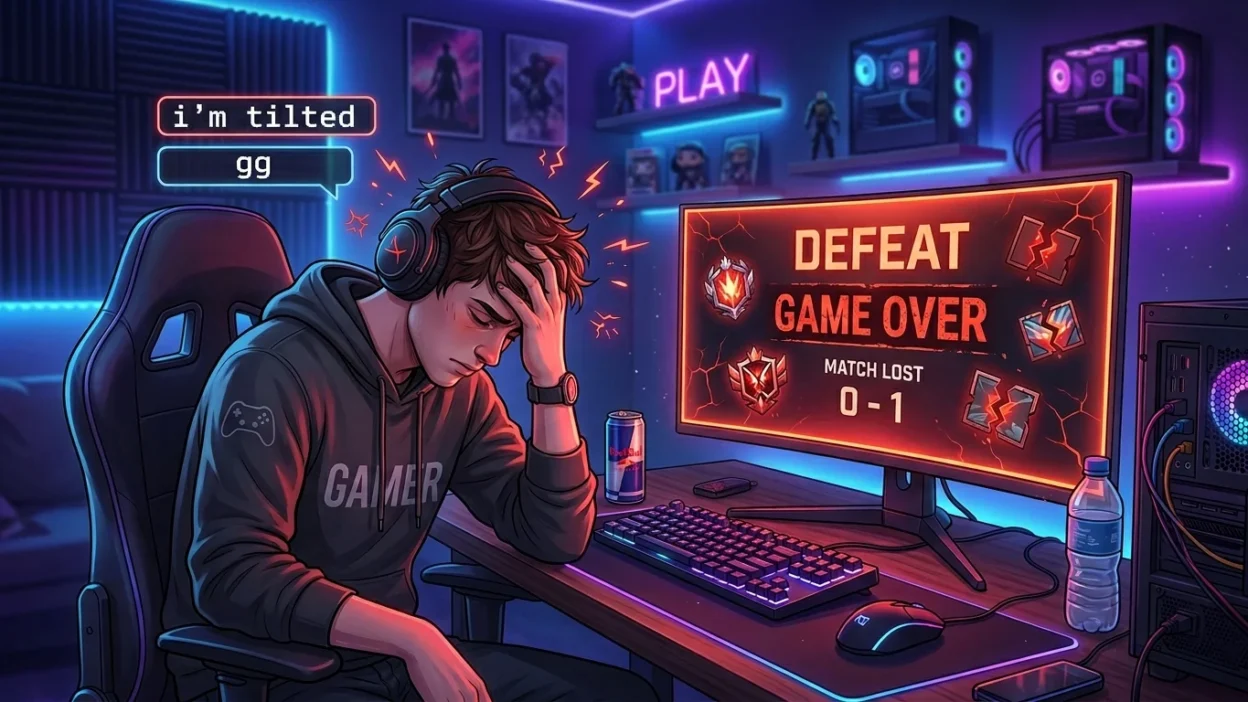
Have you ever been in a gaming match or scrolling through social media and suddenly seen someone type “I’m tilted” or “don’t tilt bro”? At first, it feels a bit strange. One day I was watching a live stream, and the player kept saying “I’m on tilt,” after every mistake.
I thought it was about something physically leaning or falling. Later, I saw it again in a group chat after a friend lost a game and started playing badly. That’s when I realized this word has a special meaning in online culture. In today’s digital world, words like this spread fast, especially in gaming and social media communities where emotions run high and reactions are quick.
Quick Answer
Tilt means a state of emotional frustration or anger that causes someone to play worse or behave irrationally, especially in games or stressful online situations.
Meaning of Tilt in Simple Words (Full Explanation)
The word “tilt” does not have a formal full form. It originally comes from gaming culture, especially poker and competitive video games.
In simple terms, tilt meaning in text and gaming refers to a situation where a person becomes emotionally upset—usually frustrated, angry, or stressed—and starts making poor decisions because of it.
Why people use it:
People use “tilt” because it quickly describes a very common emotional reaction in gaming and online spaces. Instead of saying “I’m frustrated and playing badly because I’m angry,” they just say “I’m tilted.”
Example sentence:
“I lost two matches in a row and now I’m completely tilted.”
Bold Summary: Tilt means being emotionally frustrated or angry, especially when it affects performance in games or online situations.
Where “Tilt” Is Commonly Used
The tilt meaning in text slang is most popular in digital and gaming communities.
You will commonly see it in:
- 🎮 Gaming chats (Valorant, PUBG, Fortnite, etc.)
- 📱 Social media comments (TikTok, Instagram, Twitter/X)
- 💬 Group chats and DMs
- 🎥 Live streaming platforms (Twitch, YouTube Gaming)
- 🧠 Online forums and esports discussions
The tone of the word is usually casual and informal. It is not used in formal writing or professional communication unless discussing gaming psychology or behavior.
In most cases, it is part of modern online chat meaning culture, where emotional reactions are described in short, catchy slang words.
Real-Life Conversation Examples (Modern Chat Style)
Here are some natural texting-style examples of how people use “tilt”:
- i lost again bro i’m so tilted rn
- don’t queue with him he’s already on tilt
- chat i’m tilted stop laughing at me
- that last match put me on full tilt
- i swear this game always tilts me
- he’s playing so bad because he’s tilted
- i need a break i’m getting tilted
- bro calm down you’re going full tilt
- i misplayed everything i’m actually tilted
- stop spamming me i’m already tilted 😭
These examples show how the word fits into fast-paced gaming and social media slang conversations.
When to Use and When Not to Use “Tilt”
Even though “tilt” is common in texting abbreviation and gaming culture, it should be used in the right context.
✔ When to Use:
- Gaming conversations and esports chats
- Talking about frustration during matches
- Casual group chats with friends
- Streaming or online reactions
- Meme or funny online situations
❌ When NOT to Use:
- Formal emails or school essays
- Professional or workplace communication
- Serious emotional or mental health discussions
- Conversations with people who don’t understand gaming slang
Comparison Table
| Context | Example Phrase | Why It Works / Doesn’t Work |
|---|---|---|
| Gaming chat | “i’m so tilted after that loss” | Perfect usage in gaming culture |
| School essay | “he was tilted during the test” | Too informal and unclear |
| Work email | “i’m tilted about the deadline” | Unprofessional tone |
| Meme comment | “bro is on full tilt 😂” | Common and acceptable online |
Similar Slang Words and Alternatives
If you understand tilt meaning in text, these related slang words will also help you understand online conversations better.
1. Triggered
Used when someone becomes emotionally upset quickly.
2. Salty
Means being annoyed or bitter after losing or failing.
3. Rage
Strong anger, often in gaming (“rage quit” means leaving in anger).
4. GG (Good Game)
Used after matches, sometimes sarcastically when someone is tilted.
5. Frustrated
A simple, more formal version of being tilted.
6. Sweaty
Used for overly serious or intense players, sometimes causing tilt in others.
7. Clapped
Slang for getting defeated badly, which can lead to tilt.
These terms are all part of social media slang and gaming chat shorthand culture, helping players express emotions quickly.
FAQs About Tilt Meaning in Text
1. What does tilt mean in simple words?
Tilt means becoming emotionally frustrated or angry, especially during gaming, which affects performance or behavior.
2. Is tilt a slang word?
Yes, tilt is modern internet slang commonly used in gaming and online chats.
3. Where is tilt mostly used?
It is mainly used in gaming communities, live streams, and social media conversations.
4. Is being tilted a good thing?
No, it usually means a negative emotional state that affects decision-making.
5. Can tilt be used outside gaming?
Yes, but it is rare. It can describe emotional frustration in any competitive situation.
6. Who uses the word tilt the most?
Gamers, streamers, and social media users are the main groups using this slang.
7. Is tilt formal or informal?
Tilt is completely informal and should not be used in professional communication.
Final Thought
The tilt meaning in text and gaming culture shows how emotions are expressed in modern digital communication. It describes a moment when frustration takes over and affects performance, especially in games or competitive environments. While it started in gaming, it is now widely used in memes, chats, and social media slang. Understanding words like “tilt” helps you better connect with online communities and avoid confusion when reading fast-moving conversations. In today’s internet world, short slang like this makes communication quicker, funnier, and more expressive.