
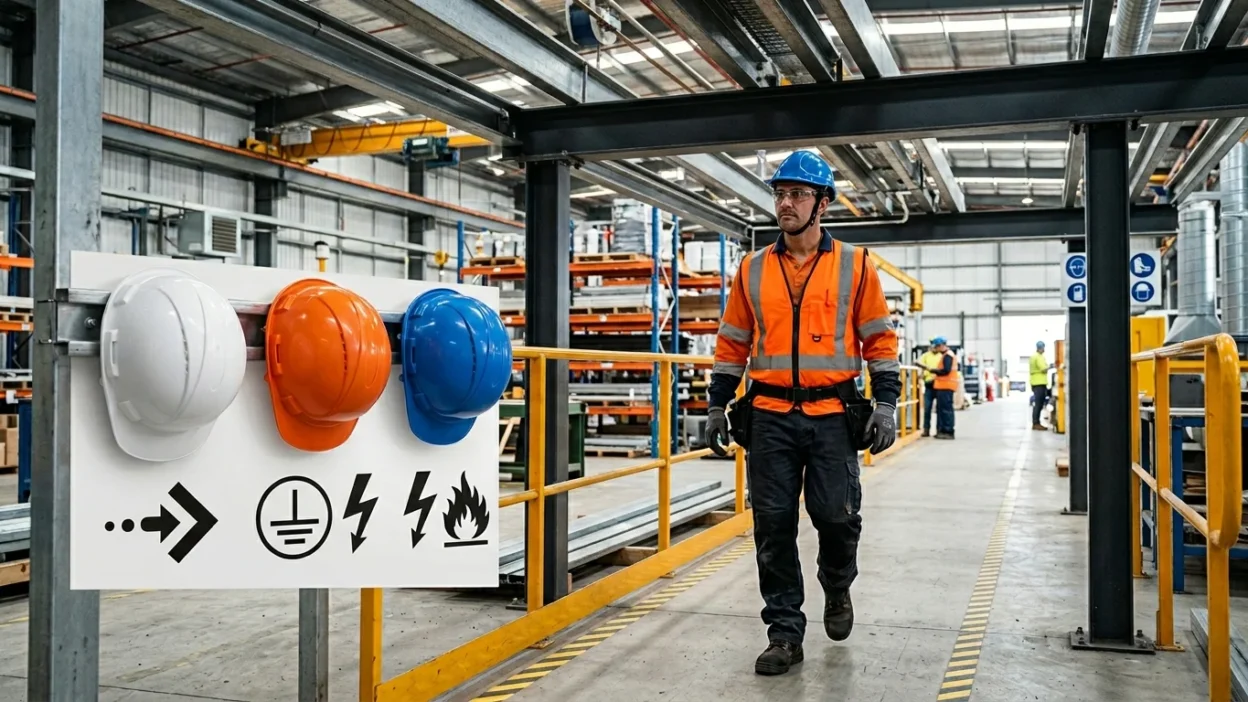
If your job requires you to work in warehouses, manufacturing facilities, construction areas, maintenance departments, or industrial environments, you’ve probably been asked to wear head protection. But many workers get confused when safety training asks questions like, “You could be exposed to minor bumps in your job what class of hard hat will you need to wear?”
Choosing the correct head protection isn’t just about following workplace rules. It’s about protecting yourself from injuries that can affect your health, income, and ability to work. Even seemingly harmless bumps can cause painful head injuries if you’re not properly protected.
Many employees assume all hard hats are the same, but that’s not true. Different hard hats are designed for different levels of protection, including impact resistance and electrical hazard protection.
Understanding which class of hard hat is appropriate for minor bump hazards can help you stay safe while avoiding unnecessary equipment costs.
In this guide, you’ll learn exactly what type of hard hat is recommended for minor bump hazards, how hard hat classes differ, important safety standards, and how to choose the right head protection for your work environment.
Quick Answer: You Could Be Exposed to Minor Bumps in Your Job What Class of Hard Hat Will You Need to Wear?
If you could be exposed to minor bumps in your job, a Class C (Conductive) hard hat is often considered sufficient when there are no electrical hazards present. However, the specific hard hat required depends on your workplace risk assessment and employer safety requirements. Always follow OSHA regulations and workplace safety policies.
Hard Hat Classes Comparison Table
| Hard Hat Class | Protection Level | Electrical Protection | Common Use |
|---|---|---|---|
| Class G (General) | Impact protection | Up to 2,200 volts | Construction, general industry |
| Class E (Electrical) | Impact protection | Up to 20,000 volts | Electrical work |
| Class C (Conductive) | Impact protection | No electrical protection | Areas with minor impact risks and no electrical hazards |
You Could Be Exposed to Minor Bumps in Your Job What Class of Hard Hat Will You Need to Wear According to Safety Standards?
When workers face minor bump hazards without significant electrical risks, Class C hard hats are commonly used.
Class C stands for “Conductive.”
These hard hats provide:
- Basic impact protection
- Lightweight construction
- Improved ventilation
- Enhanced comfort
However, they do not provide protection against electrical hazards.
If electrical risks are present, a higher-rated hard hat may be required.
Understanding Hard Hat Types and Classes
Many people confuse hard hat types with hard hat classes.
Hard Hat Types
Type I
Protects against impacts to the top of the head.
Type II
Protects against impacts from both the top and sides of the head.
Hard Hat Classes
Class G (General)
Offers impact protection and limited electrical protection.
Class E (Electrical)
Provides the highest level of electrical protection.
Class C (Conductive)
Provides impact protection but no electrical insulation.
Both type and class matter when selecting head protection.
Why Minor Bumps Still Require Protection
Some workers underestimate minor bump hazards.
Common workplace situations include:
- Walking into low pipes
- Contact with beams
- Hitting shelving units
- Working in tight spaces
- Accidental contact with equipment
Even minor impacts can result in:
- Cuts
- Bruises
- Concussions
- Lost work time
Head protection helps reduce these risks.
Main Differences Between Class G, E, and C Hard Hats
Class C Hard Hats
Best for:
- Low-risk environments
- Warehouses
- Manufacturing areas
- Indoor workplaces
Advantages:
- Lightweight
- Comfortable
- Often better ventilated
Limitations:
- No electrical protection
Class G Hard Hats
Best for:
- General construction
- Maintenance work
- Utility work
Advantages:
- Impact protection
- Limited electrical protection
Limitations:
- Less electrical protection than Class E
Class E Hard Hats
Best for:
- Electricians
- Utility workers
- High-voltage environments
Advantages:
- Maximum electrical protection
Limitations:
- May cost more
- Can be slightly heavier
Pros and Cons of Class C Hard Hats
Pros
- Lightweight design
- Comfortable for long shifts
- Affordable
- Good airflow
- Suitable for minor impact hazards
Cons
- No electrical protection
- Not suitable for high-risk construction
- Limited hazard coverage
Pros and Cons of Class G Hard Hats
Pros
- Good all-around protection
- Meets many workplace requirements
- Moderate electrical protection
Cons
- Heavier than some Class C models
- More expensive
Pros and Cons of Class E Hard Hats
Pros
- Highest electrical protection
- Strong impact resistance
- Ideal for electrical workers
Cons
- Higher cost
- May be unnecessary for low-risk jobs
Safety Features to Look For
When selecting a hard hat, prioritize safety features such as:
- ANSI certification
- Adjustable suspension systems
- Comfortable fit
- Sweatbands
- Durable shell materials
- Side-impact protection if needed
Proper fit is just as important as the hard hat class.
Features to Avoid
Not all head protection products offer adequate workplace safety.
Avoid:
- Damaged hard hats
- Cracked shells
- Expired equipment
- Uncertified products
- Loose-fitting helmets
Never modify a hard hat by drilling holes or painting it unless approved by the manufacturer.
Sensitive Skin and Comfort Concerns
Workers who wear hard hats for extended periods often experience:
- Sweating
- Skin irritation
- Pressure points
Look for:
- Moisture-wicking sweatbands
- Adjustable suspensions
- Breathable designs
- Lightweight materials
Comfort encourages consistent use.
Product Recommendations for Different Work Environments
For Warehouse Workers
Class C hard hats may be appropriate when electrical hazards are absent.
For Construction Workers
Class G hard hats are commonly recommended.
For Electricians
Class E hard hats are usually required.
For Manufacturing Facilities
Class C or Class G may be suitable depending on workplace hazards.
Always verify requirements with your employer.
Budget vs Premium Hard Hat Comparison
Budget Hard Hats
Benefits:
- Lower cost
- Basic protection
- Suitable for many jobs
Drawbacks:
- Fewer comfort features
- Less adjustability
Premium Hard Hats
Benefits:
- Better suspension systems
- Increased comfort
- Enhanced durability
- Improved fit
Drawbacks:
- Higher price
For workers wearing hard hats daily, premium options often provide better long-term value.
Practical User Insights
Experienced workers frequently recommend focusing on comfort and fit.
Many report that:
- Lightweight hard hats reduce fatigue.
- Proper adjustment improves safety.
- Sweatbands significantly increase comfort.
- Regular inspections prevent equipment failures.
The safest hard hat is the one you consistently wear correctly.
Expert Advice for Choosing the Right Hard Hat
Before selecting a hard hat, consider:
- Impact hazards
- Electrical hazards
- Side-impact risks
- Workplace regulations
- Comfort requirements
Never choose head protection based solely on price.
Safety should always come first.
Best Option for Different Needs
Minor Bump Hazards Without Electricity
Class C hard hat
General Industrial Work
Class G hard hat
Electrical Work
Class E hard hat
High-Risk Construction Sites
Type II Class G or Type II Class E hard hat
Best Overall Winner
For workplaces involving only minor bump hazards and no electrical risks, a Class C hard hat is often the most practical choice.
It provides:
- Adequate impact protection
- Lightweight comfort
- Lower cost
- Better ventilation
However, if any electrical hazards exist, Class G or Class E protection may be necessary.
Tips and Recommendations
- Follow OSHA and employer guidelines.
- Inspect hard hats before use.
- Replace damaged equipment immediately.
- Ensure proper fit.
- Store hard hats correctly.
- Replace hard hats according to manufacturer recommendations.
- Never modify safety equipment.
Conclusion
If you’re asking, “You could be exposed to minor bumps in your job what class of hard hat will you need to wear?”, the answer is typically a Class C hard hat, provided there are no electrical hazards in your work environment. Class C hard hats are designed to protect against minor impacts while offering lightweight comfort and affordability.
However, every workplace is different. Always follow your employer’s safety requirements, conduct proper hazard assessments, and choose head protection that matches the actual risks present. Wearing the right hard hat can prevent injuries and help ensure you return home safely at the end of every workday.
Frequently Asked Questions
You Could Be Exposed to Minor Bumps in Your Job What Class of Hard Hat Will You Need to Wear?
In many workplaces with minor impact hazards and no electrical risks, a Class C hard hat may be appropriate.
What does Class C mean on a hard hat?
Class C stands for Conductive and provides impact protection but no electrical insulation.
Is a Class C hard hat OSHA approved?
Yes, when it meets applicable ANSI standards and is used in appropriate environments.
What is the difference between Class G and Class C hard hats?
Class G offers limited electrical protection, while Class C provides no electrical protection.
When should I wear a Class E hard hat?
Class E hard hats should be worn when significant electrical hazards are present.
Are bump caps the same as hard hats?
No. Bump caps provide limited protection and are not substitutes for hard hats where hard hats are required.
How often should hard hats be replaced?
Follow manufacturer recommendations and replace hard hats immediately if damaged.
Can I paint my hard hat?
Only if the manufacturer specifically allows it, as some paints can weaken the shell.
What is a Type II hard hat?
A Type II hard hat provides protection against impacts to both the top and sides of the head.
What is the most comfortable hard hat class?
Comfort depends on design, but many workers find Class C hard hats lightweight and comfortable for extended wear.

Azeem Ahmad is a passionate content writer and digital creator at Ribacks.com. He specializes in creating clear, engaging, and informative articles focused on modern internet culture, text slang meanings, and trending online topics. With a strong interest in simple communication, Azeem aims to make complex terms easy for readers to understand.